

I work as a tower crane planning superintendent on high-rise projects built on crowded city blocks, where the site boundary may sit only a few feet from traffic, neighboring roofs, and active buildings. I have spent years coordinating crane access, erection plans, lifting schedules, and dismantling work for concrete frames and steel structures. A luffing jib crane often gives me the control I need when a conventional horizontal jib would cross several restricted areas. The rental decision still requires careful planning because the crane itself is only one part of the job.
Why I Choose a Luffing Jib on Restricted Sites
I usually consider a luffing jib crane when air rights are limited or several cranes must work close together. On one project, our building footprint was less than 20 meters from an occupied office tower, and the neighboring owner would not allow a jib to oversail the roof. A luffing crane let me raise the boom into a steep position while the crane was out of service. That smaller out-of-service radius made the entire lifting plan workable.
Space disappears quickly. A delivery truck, concrete pump, hoist landing, and material storage zone can consume the ground area before crane assembly even begins. I look at the crane radius in every working position, not just the maximum reach shown on a brochure. A crane that can lift the required weight at 45 meters may still be unsuitable if the boom cannot move safely between nearby structures.
I also think about how the crane will behave with other cranes on the same project. A dense development may have three tower cranes operating within overlapping areas, each with different hook heights and boom angles. Luffing jibs can reduce interference, but they do not remove the need for a detailed anti-collision plan and clear operating rules. Some contractors prefer a conventional hammerhead crane for faster cycle times, and I agree that it can be the better choice where there is enough open airspace.
Building a Rental Plan Before Requesting a Quote
I never start by asking a rental company for the cheapest monthly rate. I first prepare the expected crane height, working radius, maximum lifted load, power supply, erection date, and likely dismantling method. If those details are missing, the first quote usually carries assumptions that later turn into extra charges. A useful Luffing Crane Rental resource can also help contractors compare crane types before they commit to a machine that may not suit the site.
I send a preliminary lift study with the enquiry whenever possible. It normally includes the heaviest formwork package, the largest mechanical unit, the concrete bucket weight, and the longest routine pick. On a recent mid-rise project, the heaviest planned lift was around 12 tonnes, but it occurred close to the tower. Most daily loads were much lighter and had to travel nearly 50 meters, so the load chart at radius mattered more than the headline capacity.
The rental period needs the same level of thought. I allow time for delivery, erection, testing, operator orientation, weather interruptions, climbing, and dismantling instead of counting only active construction months. A crane rented for eight months may remain tied to the project for several extra weeks once transport permits and dismantling access are considered. That delay gets expensive.
I also confirm who is responsible for engineering. Some rental companies provide the crane, erection crew, and standard tower configuration, while the contractor handles the foundation, tie design, temporary works, and municipal approvals. Other providers can manage a larger share of the package. I want those boundaries written into the proposal because a missing foundation design can delay erection by 10 days or more.
What I Inspect Before the Crane Reaches the Site
I start with the foundation and supporting structure. The crane base may sit on a reinforced concrete footing, a grillage frame, piles, or part of the permanent building structure. I check the reactions supplied by the manufacturer against the engineer’s design, including vertical load, horizontal load, and overturning moment. Four anchor assemblies that appear simple on a drawing can become a major problem if their spacing shifts during the concrete pour.
Power is another item I refuse to leave until the last minute. A luffing crane may require a substantial electrical supply, and the demand can change with the crane model, hoist system, and capacity. I confirm voltage, cable route, disconnect location, grounding, and generator backup well before erection day. A temporary cable stretched across a truck path is not an acceptable plan.
I walk the delivery route with the transport and erection teams. Tower sections, machinery decks, boom pieces, counterweights, and climbing equipment may arrive on several trucks that need a clear order of entry. On one spring project, a single parked vehicle blocked the turning path for a long trailer and held up the mobile crane for most of the morning. Since then, I have marked every staging position on the logistics drawing and assigned one person to control the gate.
The assist crane deserves close attention as well. I check its lifting radius for every major component, along with outrigger loads, ground bearing pressure, and overhead restrictions. The largest mobile crane is not always the right answer because its setup area may interfere with public traffic or underground services. I prefer a realistic erection sequence built around the site rather than an equipment list built around availability.
Matching the Crane to the Daily Lift Cycle
A crane can meet every engineering requirement and still slow the job if it does not match the production plan. I study how many concrete pours, rebar deliveries, formwork moves, and waste skips the crane must handle during a normal shift. On a concrete tower, a difference of a few minutes per cycle can become significant after 60 or 70 picks. Luffing movements may take more time than trolley travel on a conventional crane, especially when the operator must raise the boom to clear nearby structures.
I speak with the superintendent, formwork foreman, steel contractor, and mechanical team before finalizing the model. Each trade tends to remember its heaviest lift, but I need to understand its most frequent lift as well. A 10-tonne generator placed once does not define the crane’s entire workload. Hundreds of smaller formwork and reinforcement picks usually shape the real production rate.
I pay close attention to hoist speed and hook height. A crane serving a 40-story building may spend much of each cycle moving the hook vertically, even if the horizontal radius is moderate. Faster hoisting can improve production, but actual speed depends on the load and reeving arrangement. I check the manufacturer’s performance data rather than relying on a general claim that one machine is faster.
Operator experience matters here. An operator who has spent years on hammerhead cranes may need time to become comfortable with a luffing machine, especially on a site with blind picks and tight exclusion zones. I prefer to involve the operator during planning so that radio procedures, camera locations, and restricted movements are clear before the first production lift. Two extra planning meetings can prevent weeks of daily confusion.
Rental Costs That Often Appear Outside the Monthly Rate
The base rental rate is rarely the full cost. I expect separate charges for freight, erection, dismantling, climbing frames, ties, operator service, technicians, inspections, and sometimes remote monitoring equipment. Overtime can add another layer when assembly work must happen at night or during a weekend road closure. I compare complete packages rather than placing two monthly figures side by side.
Transport costs depend heavily on crane configuration and distance from the rental yard. A larger luffing crane may require many truckloads, and local permit rules can limit travel times for oversized components. I once worked on a project where the crane price looked attractive until the transport plan added several thousand dollars to each major mobilization stage. The lower rental rate no longer carried much value.
Climbing work also needs a clear allowance. If the crane will climb four times, I want to know the crew size, equipment required, expected shutdown period, and charge for each operation. A climb may interrupt lifting for one shift or longer, depending on the setup and building progress. Poor coordination can leave several trades waiting while the crane remains out of service.
I check standby and extension terms before signing. Construction schedules move, and a crane planned for dismantling in early autumn may remain through winter because the permanent elevators or rooftop equipment are late. Some rental agreements move to a daily rate after the original period, while others renew by the month. I prefer terms that give the project team enough flexibility without paying for a full month after only a few extra days.
Planning Safe Erection, Operation, and Dismantling
I treat erection and dismantling as separate projects within the main project. Each phase needs an approved method, weather limits, exclusion zones, qualified crews, and clear control of nearby activity. Wind conditions are especially important during boom assembly because large components can become difficult to control. I follow the manufacturer’s limits and the lift director’s judgment rather than pushing ahead to protect a schedule.
Daily operation depends on communication. I establish a radio channel, standard hand signals, designated signalers, and rules for blind lifts before the crane begins production. On a busy site, I may have six lifting zones served by different crews, but only authorized people can direct the operator. That restriction reduces conflicting instructions and keeps the operator focused.
I also plan maintenance access. Technicians need safe routes to the machinery deck, electrical panels, slewing equipment, and boom components. Greasing, brake inspections, rope checks, and limit testing cannot become afterthoughts because the crane is busy. I would rather lose part of a planned shift than face an unplanned shutdown during a major concrete pour.
Dismantling must be considered before the building surrounds the crane. I confirm where the assist crane will stand, which boom sections can be lowered, and how trucks will enter after landscaping and permanent utilities are installed. On one tower, a proposed loading dock canopy would have blocked the dismantling route by less than a meter. Moving that work back by two weeks saved a costly redesign and avoided cutting finished steel later.
How I Make the Final Rental Decision
I reduce the decision to site fit, load performance, service support, and total project cost. Brand reputation matters, but local parts and technician availability matter more during a breakdown. A crane that is slightly more expensive can protect the schedule if the rental company keeps common parts nearby and can send a technician within the same shift. I ask direct questions about response times before I sign anything.
I review the final configuration with the structural engineer and project leadership. The crane height, number of ties, jib length, hook capacity, foundation reactions, and dismantling method must all match the latest drawings. I do not accept a proposal built around an old building height or an early logistics plan. One revised roof level can affect the tower configuration and the mobile crane needed for removal.
I keep a written record of exclusions and assumptions. If the quote excludes road permits, police control, electrical installation, or tie-in steel, I assign those items to a named person on the project team. Unassigned work usually reappears during the most pressured week of the schedule. Clear ownership is cheaper than emergency action.
A successful luffing crane rental begins long before the crane rises above the site fence. I get the best results by choosing the machine around real lift data, restricted airspace, reliable support, and a practical dismantling route. The monthly rate still matters, but it cannot rescue a crane that is poorly matched to the job. I would rather spend another day planning than spend several mnths working around the wrong machine.


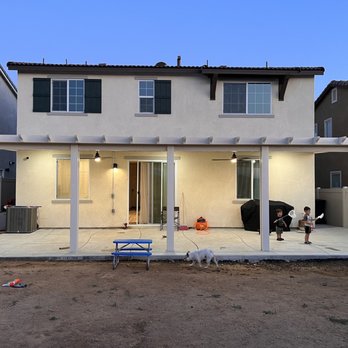 One customer I worked with last spring wanted to convert an unused garage area into a functional family workspace. The original structure had uneven flooring and outdated insulation, which caused temperature imbalance during summer afternoons. We spent the first phase evaluating the foundation condition rather than jumping directly into aesthetic upgrades. In my experience, many homeowners make the mistake of rushing cosmetic improvements before confirming that the underlying structure is stable enough to support long-term use.