

Month: <span>March 2026</span>
Month: March 2026

A Closer Look at the Drug Candidate Reshaping Obesity Research

Retatrutide has become one of the most discussed names in obesity and metabolic research because it points to a new way of treating weight-related disease. The drug is still being studied, so it is known mainly from trial results rather than normal pharmacy use. Even so, doctors, researchers, and patients keep watching it because the design is unusual and the early results were hard to ignore. The attention did not come from hype alone. It came from data.

What Makes Retatrutide Different

Retatrutide is often described as a triple agonist, which means it is designed to act on three hormone receptors at the same time. Those targets are linked to GLP-1, GIP, and glucagon, and each of them plays a role in appetite, blood sugar, fullness, or energy use. Many newer drugs focus on one pathway, while some newer options act on two, yet retatrutide tries to push the science further by working on three at once. That is a big shift.

GLP-1 is the part many people already know because it is linked to slower stomach emptying and lower appetite after meals. GIP adds another layer to the picture and may help shape how the body handles nutrients and insulin over time. Glucagon is the most unusual part of the mix, since researchers have long studied whether it can help raise energy expenditure, even though that pathway can also make treatment harder to balance in real patients. One molecule doing all this is a bold idea.

The design sounds neat in a short headline, yet the biology is much messier once real people begin treatment. Sleep, meal timing, stress, diabetes, dose changes, and side effects can all change how one patient responds compared with another patient in the same study. That is why researchers do not look only at body weight when they judge a drug like this. They also study blood sugar, tolerability, dropout rates, and day-to-day function.

Why Early Studies Drew So Much Attention

Retatrutide became a major topic because the early trial numbers were unusually strong for an investigational obesity drug. In public discussion, one figure kept coming up again and again: more than 24 percent average weight loss at 48 weeks in a high-dose study group. People who search for peptide resources may come across pages such as Retatrutide, though a resource listing is very different from an approved prescription medicine used under routine medical care. Those study results are what pushed the name into wider public conversation.

The response was not based only on the size of the weight loss. Researchers also paid attention to the shape of the curve, because participants in early studies appeared to keep losing weight deep into the trial instead of stopping early and leveling off by month 6 or 7. That detail matters because obesity treatment is usually a long process, and a drug that keeps working across 48 weeks can change how doctors think about long-term care. The curve mattered.

Big average numbers always need context. A mean result does not show what every person experienced, and it does not explain how many people needed slower dose increases, had hard side effects, or stopped treatment before the study ended. Trial readers want details about age, baseline disease, adherence, and how the drug behaves in people with related problems such as diabetes, joint pain, or poor sleep. One headline number can hide a lot.

What Daily Treatment Could Feel Like

When a drug shows strong weight-loss results, the next question is usually simple: can patients stay on it long enough to benefit from it in real life. That question matters because stomach side effects can shape the entire treatment experience, especially in the first weeks when doses rise. Nausea, vomiting, diarrhea, constipation, and early fullness are common concerns in this broader drug class. Some patients manage well. Others do not.

Even moderate nausea can change a normal day. A person trying to work 8 hours, care for children, exercise, and eat regular meals may find ongoing stomach trouble much harder to handle than a study graph suggests, especially when appetite is already very low. Side effects that look manageable on paper can feel much more disruptive when they affect sleep, hydration, and the simple task of sitting through a meeting without feeling sick. Real life is not a chart.

Doctors also think about more than stomach symptoms. Rapid weight loss can raise questions about protein intake, muscle loss, hydration, gallbladder issues, and whether a patient still has enough strength and energy for daily movement during treatment. That is why specialists usually see medication as one part of a wider plan that may include meal guidance, activity, follow-up visits, and support through dose changes. Fast progress still needs structure.

How Retatrutide Fits Into the New View of Obesity

Retatrutide matters partly because it reflects a wider change in how obesity is understood. Ten or 15 years ago, many public discussions treated body weight mainly as a matter of discipline, poor choices, or weak motivation, while current research puts much more focus on hormones, appetite signaling, insulin response, sleep, pain, and chronic disease biology. That shift has changed the tone of treatment. The language is different now.

Newer obesity medicines helped create that change by showing that body weight can be affected through biology more strongly than many people once thought. Retatrutide pushes that idea even further because it suggests a three-receptor design may do more than older single-pathway drugs were able to do over 24, 48, or even 68 weeks. When one treatment can affect hunger, fullness, blood sugar, and energy use at the same time, doctors begin to think about obesity care in a broader frame. That has real consequences for patients.

This wider view can reduce shame as well. A person living with obesity often deals with fatigue, joint pain, repeated weight regain, poor sleep, and years of failed attempts at change, so treatment is rarely about appearance alone. If a drug improves several linked problems over time, the conversation becomes more realistic and more humane. That matters in a clinic room. It matters at home too.

What Questions Still Need Better Answers

Excitement around retatrutide does not remove uncertainty. Researchers still need better answers about long-term safety, what happens if treatment stops after one or two years, and whether the strongest results can hold up outside a carefully managed study setting. Those questions are central because obesity is usually chronic, and chronic treatment has to work in ordinary life rather than only in a trial with frequent check-ins and strict rules. Much remains unknown.

Cost is another major issue. A medicine can look impressive in a study, yet its public effect may stay limited if insurance coverage is poor, supply is inconsistent, or patients do not get enough support for nutrition, exercise, and side-effect management during a long treatment period. Access often shapes real outcomes almost as much as the drug itself, especially when therapy may need to continue for 52 weeks or more to show its full effect. Science does not stand alone.

There is also the basic question of expectations. When people hear about very large average weight loss, some imagine a guaranteed outcome, but trial averages never predict exactly what one person will experience once sleep, stress, food habits, diabetes status, and adherence begin to shape the response over time. Good care depends on realistic goals, steady support, and honest discussion long before a prescription is ever written. Hype can move too fast.

Why So Many People Are Still Watching It

Retatrutide remains a major point of interest because it sits at the center of several fast-moving trends in medicine. Researchers want stronger tools for obesity, patients want options that feel effective and manageable, and health systems want proof that a treatment can improve more than one outcome at once. This drug candidate touches all three hopes in a single story. That keeps attention high.

The interest is about more than the scale. If a treatment can improve blood sugar, reduce appetite, help weight loss, and ease some of the daily burden that comes with excess body weight, then the conversation becomes much broader than a single before-and-after photo or one dramatic percentage from a study summary. That broader effect is why doctors keep looking closely at follow-up data and why patients keep asking whether this drug may become part of routine care one day. Big hopes bring close scrutiny.

For now, retatrutide is still a developing story rather than a finished one. Its early results were strong enough to shift expectations, yet the final judgment will depend on longer follow-up, wider patient groups, careful safety review, and the hard practical question of who can actually access treatment if it eventually reaches the market. The next few years will matter. The field is watching closely.

Retatrutide has already changed the way many people talk about obesity treatment. Early research gave it real momentum, but the true test will come from long-term safety, patient experience, and everyday access. What happens next may influence metabolic medicine for years, not just for one news cycle.
What I Wish More People Knew Before Starting Physiotherapy in Surrey

As a registered physiotherapist who has spent more than a decade treating sports injuries, work-related strain, and post-accident recovery, I’ve seen how much difference the right physiotherapy in Surrey can make when someone gets help before pain starts running their life. Most people do not book an appointment because of one bad day. They come in after weeks or months of adjusting how they sit, sleep, lift, drive, or exercise, hoping the issue will quietly disappear on its own.

In my experience, one of the biggest mistakes people make is waiting until the problem feels “serious enough.” Pain does not need to be dramatic to deserve attention. I remember a patient last spring who came in for what she called “just some tightness” in her neck and shoulder. She worked at a desk all day and had gotten used to the stiffness creeping in by mid-afternoon. What she had not realized was how much it was affecting her sleep and concentration. Once we started treatment, it became clear the issue was less about one sore spot and more about months of overload, poor movement habits, and not enough recovery built into her week.

That kind of case is common. People often expect physiotherapy to mean a few stretches, maybe some hands-on treatment, and then they will be back to normal. Sometimes recovery is that simple, but often it is not. I’ve found that the best outcomes usually come when patients understand why the pain showed up in the first place. Relief matters, of course, but lasting progress usually comes from changing the pattern that caused the flare-up.

A few years ago, I treated a warehouse worker with recurring low back pain. He had already tried rest, massage, and advice from well-meaning friends. Each time he felt a little better, he went straight back to lifting the same way and working through fatigue. The cycle kept repeating. Once we focused on better mechanics, strength, and pacing that matched the demands of his job, the change was noticeable. He did not need a complicated plan. He needed one that actually fit his real life.

That is something I feel strongly about: good physiotherapy should be practical. I do not think most people benefit from being sent home with a long list of exercises they are unlikely to keep up with. I would rather give someone a smaller number of targeted movements they can do properly and consistently. Patients improve when the plan feels manageable, not when it looks impressive on paper.

I’ve also seen plenty of active people make the mistake of returning too quickly. One recreational runner I worked with kept aggravating the same knee because every time the pain eased, she jumped back into her old mileage. She was disciplined and motivated, but she was treating the absence of pain as proof that the tissue was ready for full training again. It was not. Once we adjusted her training load and built strength around the problem instead of chasing symptoms, she finally stopped getting dragged back into the same setback.

Surrey patients often juggle long commutes, physically demanding jobs, family responsibilities, and inconsistent recovery time. That matters more than many people realize. A treatment plan that ignores those pressures is unlikely to work for long. I always advise people to look for a clinic that pays attention to how they actually live, not just where they say it hurts.

My professional opinion is simple: the best physiotherapy is not about doing more. It is about doing what fits, what makes sense, and what gives your body a fair chance to recover. When treatment is clear, realistic, and tailored to the person in front of you, progress tends to follow.

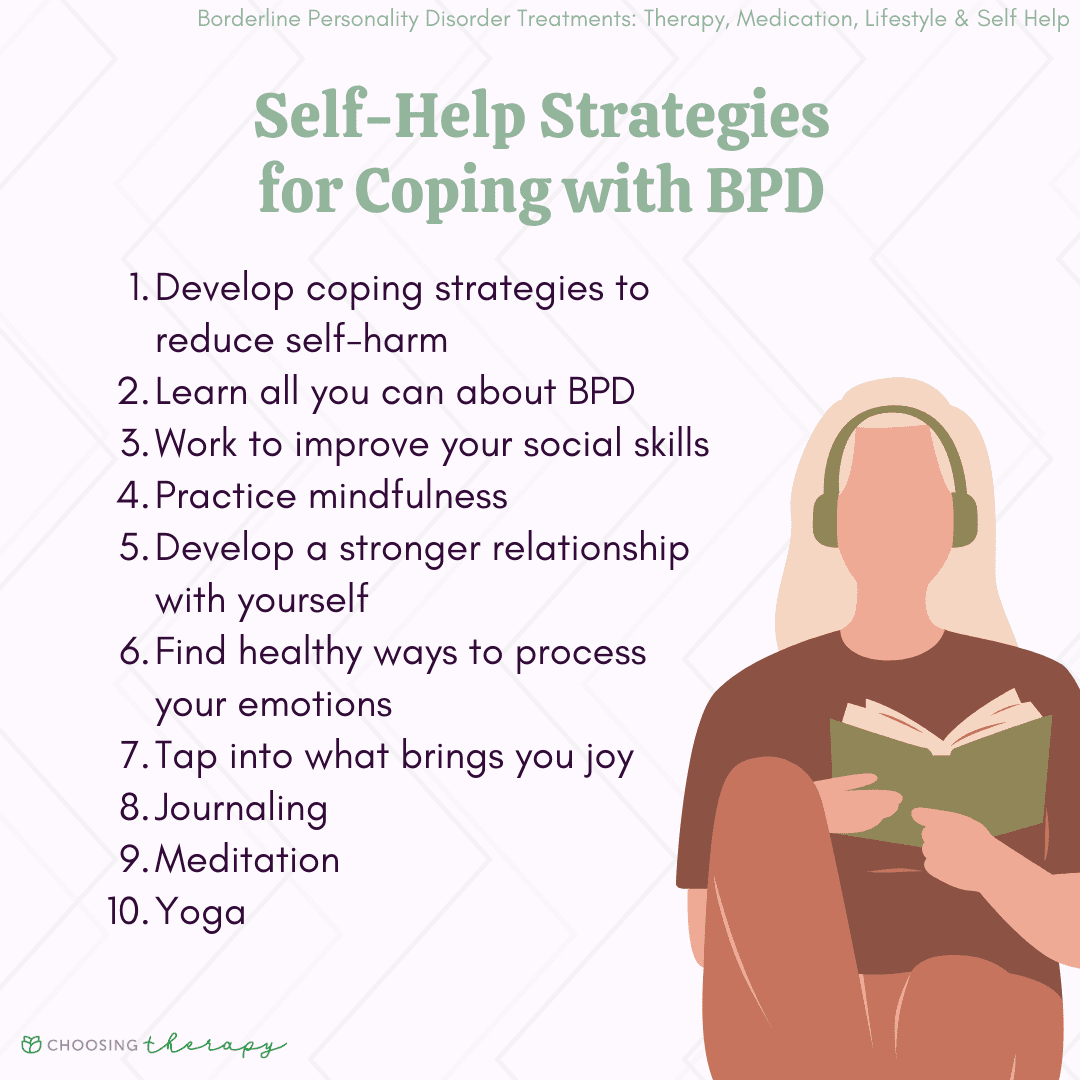
What I Look for in Therapies That Actually Help With BPD

As a licensed therapist who has spent years working with clients dealing with intense emotional swings, unstable relationships, fear of abandonment, and impulsive reactions, I’ve seen how the right borderline personality disorder therapies can change the direction of someone’s life. I say “the right therapies” very deliberately, because not every treatment approach is equally helpful for borderline personality disorder. In my experience, people do best when therapy is both emotionally attuned and practical enough to help them in the moments when everything feels like it is about to fall apart.

Borderline Personality Disorder Treatment Options

One of the biggest mistakes I see is people staying too long in therapy that gives them insight but not enough structure. Insight matters. I use it all the time. But I’ve worked with many clients who could explain exactly why they reacted so strongly in relationships and still could not stop the cycle once it started. I remember one client who could describe her abandonment fears with striking clarity, yet every time she sensed distance from someone she cared about, she spiraled into panic, anger, and then shame. What finally helped was not more talking about the pattern. It was learning how to slow it down in real time and survive the emotional intensity without acting immediately.

That is why I tend to favor therapies that teach emotional regulation, distress tolerance, and relationship skills alongside deeper therapeutic work. People with borderline personality disorder often do not need more reminders that their emotions are intense. They already know that. What they need is a way to stay grounded long enough to make a different choice.

I remember a young man I worked with last spring who came in after years of chaotic relationships and repeated conflict with family. He had been in therapy before, but his previous experience mostly consisted of recounting one painful event after another. He told me he always left sessions feeling understood, but not actually better equipped. Once we shifted toward more active skill-building, things started to change. Not all at once, and not neatly, but he began recognizing the split second where hurt turned into impulse. That small pause became one of the most valuable parts of his treatment.

I also think people often misunderstand what progress looks like in BPD therapy. They expect emotional pain to disappear quickly, and when it does not, they assume the therapy is failing. I do not see it that way. One client I worked with still had strong reactions months into treatment, but she recovered faster, repaired relationships more honestly, and stopped turning every painful feeling into a crisis. From my perspective, that is meaningful progress. Therapy is not about becoming emotionless. It is about becoming less ruled by the most intense moment.

Another thing I would caution against is working with a therapist who seems uneasy with emotional intensity. BPD therapy requires steadiness. Clients notice quickly whether a therapist becomes distant, reactive, or overly cautious when emotions rise. In my experience, the best work happens when the therapist can stay calm, set clear boundaries, and remain compassionate without becoming vague or passive.

The therapies that help most with borderline personality disorder usually have one thing in common: they respect the depth of the pain without treating the person as fragile or hopeless. I’ve seen clients who once felt trapped in cycles of rupture and regret become more stable, more self-aware, and more capable of staying present in their own lives. That kind of change does not come from being judged or managed. It comes from therapy that is skillful, direct, and steady enough to hold what feels unmanageable at first.

What Homeowners Should Know About Hiring a Tree Removal Service in Jacksonville FL

As someone who has spent more than a decade working as a professional arborist and tree removal contractor in North Florida, I’ve seen just about every tree situation you can imagine. Storm-damaged oaks, leaning pines threatening rooftops, and massive backyard trees growing far too close to foundations. If you’re searching for a reliable tree removal service in Jacksonville FL, chances are you’re dealing with a tree that has already become a concern rather than just a cosmetic issue.

The 10 Best Tree Removal Services in Jacksonville, FL (2026)

In my experience, most homeowners wait longer than they should before addressing a problematic tree. Trees can look healthy from the outside while hiding serious structural weaknesses inside the trunk or root system. Jacksonville’s humid climate and frequent storms only make those hidden problems more dangerous.

Why Tree Removal Becomes Necessary

Many people assume tree removal is only needed when a tree is dead, but that’s rarely the case. Over the years I’ve removed plenty of trees that were technically alive but posed serious risks.

One situation that stands out involved a homeowner who called me after noticing small cracks in the soil near a large pine tree. At first glance the tree looked perfectly fine—green needles, solid trunk, no obvious rot. But once I inspected the root system, I discovered the soil had been eroding during heavy rains, leaving the roots partially exposed.

A strong storm rolled through Jacksonville the following week. Fortunately, we had already removed the tree because it would almost certainly have fallen toward the house.

Another common scenario happens with live oaks. They’re beautiful trees and part of Jacksonville’s character, but they grow incredibly large. I once worked on a property where an oak had expanded over decades until its limbs stretched across the roof and driveway. The homeowner had trimmed it repeatedly, but the branches kept growing heavier. Eventually the safest option was full removal.

Storm Damage Is a Major Factor in Jacksonville

Anyone who lives in this part of Florida understands how quickly storms can change things. After a strong summer storm or a hurricane warning, my phone usually starts ringing nonstop.

One job I remember clearly involved a tree that had split straight down the middle during high winds. Half of it had collapsed into the yard, while the other half remained leaning dangerously toward the house. Situations like that require careful planning because removing the remaining portion incorrectly could send it crashing into the structure.

Professional crews use specialized rigging systems and controlled cutting techniques to lower large sections safely. It’s not something homeowners should attempt themselves, even if they have basic tools.

Mistakes I Often See Homeowners Make

After years in this industry, a few patterns show up again and again.

The first is waiting too long. Small warning signs—leaning trunks, mushrooms growing near roots, cracks in major branches—often appear long before a tree fails. Early removal is almost always safer and less expensive than emergency work after a collapse.

Another mistake is hiring the cheapest contractor without checking experience. Tree removal in tight residential areas requires knowledge of weight distribution, cutting angles, and equipment operation. I’ve been called to properties where inexperienced crews started a job and had to abandon it halfway because the tree was more complicated than they expected.

Finally, some homeowners underestimate the cleanup process. Large trees can produce massive amounts of debris. Proper crews should handle hauling, grinding stumps if needed, and leaving the yard in good condition.

Signs It May Be Time to Remove a Tree

Over the years I’ve learned to trust certain warning signs that suggest removal may be necessary:

These issues don’t always mean immediate removal is required, but they’re strong indicators that the tree should be evaluated by someone with experience.

The Value of Professional Assessment

Tree removal is never my first recommendation if a tree can be safely preserved. Sometimes trimming, cabling, or soil treatment solves the problem. But there are situations where removal is simply the responsible choice.

I’ve walked onto properties where a massive tree towered over a family’s home, weakened by years of unnoticed decay. In those moments, the decision becomes straightforward. Removing the tree protects the home, the property, and the people living there.

Working with trees every day has taught me that they deserve respect. They’re powerful living structures that can stand for generations, but once they begin to fail, they rarely give much warning. That’s why experienced tree removal work focuses not just on cutting wood, but on understanding how trees behave, especially in a storm-prone place like Jacksonville.

Building Comfortable Outdoor Spaces With Composite Backyard Decks

In my work as a residential outdoor structure consultant and certified construction maintenance specialist, I’ve spent many years helping homeowners design durable living spaces using composite backyard decks. Most of my projects have been located in outdoor residential environments across the United Kingdom, where weather variation, rain exposure, and seasonal moisture play major roles in deck longevity.

Early in my career, I worked on a family property where the homeowners wanted a wooden deck because it looked more traditional. I advised them to consider composite material instead because their garden area faced open wind exposure during autumn and winter seasons. They eventually chose composite decking after learning how moisture absorption gradually causes natural wood surfaces to crack and warp. That decision saved them from repeating deck surface repairs after only a few years of seasonal weather cycles.

One experience that strongly influenced my recommendation habits involved a customer last spring who had installed a wooden backyard platform near a kitchen exit door. The deck looked beautiful during installation, but constant foot traffic combined with rainfall exposure caused surface splintering within two seasons. The homeowner told me their children often played barefoot on the deck, and they became concerned about safety after noticing rough wood fibers rising along the walking path. We replaced the surface with composite material, and the walking comfort improved immediately because composite boards maintain smoother structural integrity even after repeated moisture contact.

I usually explain to clients that composite decking is not just about durability but also about long-term maintenance simplicity. I once inspected a suburban home where the owner spent several thousand dollars every few years repainting and sealing traditional timber decking. The maintenance cycle itself became financially stressful because the deck required seasonal treatment to resist moisture penetration. After switching to composite boards, the homeowner only needed basic surface cleaning after rainfall periods.

Another common mistake I see is installing outdoor furniture directly without considering airflow beneath the deck surface. When I first encountered this problem, a client had placed large storage containers under a wooden deck platform. Moist air became trapped between the ground soil and the underside deck structure, accelerating surface aging. Composite decking performs better in such situations because its material composition resists moisture absorption even when airflow circulation is not perfect.

Composite backyard platforms also work well for families who want outdoor living spaces that remain comfortable across different weather conditions. A customer once told me that their primary goal was creating a summer relaxation area where guests could walk barefoot without feeling excessive heat accumulation. I recommended lighter surface tone composite material because darker outdoor surfaces tend to absorb more sunlight energy during afternoon exposure.

Structural installation quality matters just as much as material choice. I worked on a project where the composite boards themselves were excellent, but the fastening alignment between support joists was slightly uneven. That small installation inconsistency created minor surface vibration when people walked near the center section of the deck. After adjusting the support spacing and reinforcement points, the platform became completely stable.

Maintenance simplicity is one of the main reasons I encourage homeowners to consider composite systems. Unlike traditional timber, composite surfaces usually require only gentle washing to remove dust, pollen, or seasonal organic residue. I remember visiting a property where the homeowner used a soft water hose cleaning routine once every few weeks during summer months. The deck surface remained visually clean without any aggressive chemical treatment.

Outdoor living design has become more important for modern homeowners who want comfortable private relaxation zones near their houses. Composite decking provides a balanced combination of durability, aesthetic consistency, and reduced long-term maintenance effort. From my professional experience, investing in quality installation and proper material selection during the first construction stage is far more economical than repairing weather damage later.

Building outdoor spaces using composite materials allows families to enjoy their backyard environments without worrying constantly about surface cracking, moisture swelling, or seasonal wood treatment schedules. Over the years, I have learned that the best outdoor living areas are the ones that quietly endure rain, wind, and sunlight while allowing people to focus on relaxing and spending time with family.