

I have spent years working private investigation files across Vancouver and the surrounding Lower Mainland, where a simple request can turn into several days of careful observation and documentation. I have handled assignments involving relationship concerns, workplace disputes, missing contacts, background research, and civil matters where a client needed facts rather than assumptions. Vancouver presents its own challenges because traffic, dense residential areas, underground parking, transit routes, and frequent rain can change an investigation quickly. I have learned that preparation usually matters more than dramatic detective work.
I Start by Defining What the Client Actually Needs
I rarely begin an investigation the moment someone calls me. I first spend 20 or 30 minutes figuring out what the person is trying to establish and whether the requested work can realistically produce useful evidence. A client may initially say they want someone followed, yet the real objective might be confirming employment, documenting regular activity, or locating a person for a legal matter. I find that one precise objective saves many wasted surveillance hours.
I once spoke with a client who had collected months of screenshots, handwritten notes, and secondhand information from friends. I could see that much of it reflected suspicion rather than something I could independently verify, so I reduced the assignment to two specific questions that could actually be investigated. That changed the entire file. I prefer a narrow target because it keeps my reporting factual and prevents the investigation from drifting into unnecessary areas.
I also ask what the client plans to do with the information. I approach a matter differently if a lawyer may eventually review my notes than I would if a client simply wants personal clarity before making a private decision. Good documentation takes discipline. I record times, locations, observations, and relevant changes as they happen rather than trying to reconstruct an entire day from memory later.
Local Knowledge Changes the Way I Work
Vancouver can look compact on a map, but surveillance conditions can change within a few blocks. I may move from a quiet residential street to a congested commercial corridor where stopping for even 30 seconds creates attention. Underground parkades create another problem because losing visual contact at one entrance can end an otherwise productive period of surveillance. I plan around those details before I position myself.
Clients sometimes want to understand what professional investigative work looks like before deciding how far to proceed. In those situations, I may suggest reviewing the services of a Vancouver private investigator so they can see the types of assignments commonly handled by a local investigation firm. I still tell people to focus on whether the proposed service matches their actual objective rather than simply choosing the broadest investigation package. I have found that a clearly defined job is usually easier to manage and easier for the client to evaluate afterward.
Weather creates practical problems too. A rainy afternoon may make a parked vehicle less noticeable, but heavy rain can reduce visibility enough that identifying a person across an intersection becomes unreliable. I would rather report that I could not confirm an observation than guess. That rule has saved me from turning uncertain details into misleading statements more than once.
Traffic deserves equal attention. A subject leaving downtown at 4:30 in the afternoon can enter conditions where a single red light creates several hundred metres of separation. I think about alternate routes before movement begins, especially around bridges, major intersections, and highway entrances. Losing someone happens. Pretending it never happens would be dishonest.
Surveillance Is Mostly About Patience
People often picture surveillance as constant movement, but I may spend four hours watching a doorway where almost nothing happens. The difficult part is staying attentive after long quiet stretches because the one useful event may last less than a minute. I keep my notes current even during slow periods so I can account for gaps accurately. That routine becomes valuable when I prepare the final report.
I remember a surveillance job during a colder part of the year where the first several hours produced almost no meaningful activity. The client had expected quick confirmation, but the subject followed a routine that gave me very little to document during the first period. On another day, a change happened within about 15 minutes of my arrival and provided more useful information than the earlier session. Investigations rarely follow the client’s preferred timetable.
Positioning matters just as much as patience. I avoid parking directly outside a target address if a location further away gives me a workable view with less risk of attracting attention. I also consider reflections, street lighting, construction zones, delivery vehicles, and other small details that can block sightlines without warning. A position that works perfectly at 9 a.m. may be useless by noon.
I do not chase every movement. Sometimes staying where I am gives me a better chance of maintaining continuity than reacting immediately and exposing my position. This is especially true around apartment buildings with multiple exits or shopping areas with several vehicle access points. I make those decisions based on the objective of the file, not on the urge to keep moving.
Good Reports Matter More Than Dramatic Stories
I consider my written report one of the most important parts of an assignment. A client may never see the hours I spend waiting in a vehicle, reviewing notes, checking timestamps, or organizing photographs, but they will see the final record of what I observed. I keep descriptions plain. If someone entered a building at 2:17 p.m., I report that observation rather than adding a theory about why the person went inside.
I separate confirmed details from assumptions because the difference can matter later. For example, seeing two people enter the same restaurant does not prove the nature of their relationship, even if a client already has a strong opinion about it. I describe behaviour I can observe and avoid assigning motives I cannot establish. That approach sometimes disappoints people who want certainty, but I would rather provide accurate limits than convenient conclusions.
Photographs and video require the same care. A blurry image taken from too far away may create confusion instead of supporting the written timeline, so I prefer fewer useful images to dozens that show very little. I also keep the sequence of events clear enough that another person can understand the day without hearing my personal interpretation. A strong report should stand on its own.
I Know When an Investigation Should Stop
More surveillance does not automatically mean better evidence. I sometimes reach a point where another eight hours would probably repeat information that has already been documented, and I tell the client that before recommending more work. Investigative budgets can disappear quickly if nobody reviews what has already been learned. I see part of my job as knowing when further effort has stopped producing meaningful value.
I also stop or change direction when circumstances make reliable observation impossible. Heavy traffic, secured buildings, unexpected travel, or a sudden schedule change can make the original plan ineffective. I would rather adjust the assignment than continue billing for an approach that is clearly failing. Some cases need a second surveillance date, while others need research rather than more time in the field.
One client last spring originally expected several consecutive days of surveillance. After the first two periods, I had documented a consistent routine that answered the central question, so I recommended reviewing the material before authorizing additional work. The client decided the existing evidence was enough. I consider that a successful investigation because the work answered the question without turning into unnecessary hours.
Privacy and Restraint Shape Every Assignment I Accept
I take privacy seriously because private investigation work is not permission to ignore boundaries. I evaluate the purpose of a request before accepting it, and I am cautious when someone appears interested in intimidation, harassment, or information they have no legitimate reason to obtain. Some requests should be declined. I have done that even when accepting the file would have meant several days of paid work.
I also remind clients that investigators work with evidence, not magic access to hidden information. There are legal limits around private communications, protected records, entry into private property, and other areas where enthusiasm can create serious problems. I stay within lawful investigative methods and document what I can obtain through proper observation and research. The quality of a case means little if the method used to build it cannot withstand scrutiny.
Discretion extends to the way I communicate with clients. I avoid sending sensitive details through unnecessary channels, and I keep case discussions limited to people who have a legitimate reason to receive them. On a typical assignment I may create dozens of notes, timestamps, photographs, and observations, yet only a portion may belong in the final report. I treat the rest as case material rather than casual information.
Experience Has Made Me More Careful, Not More Aggressive
Early in my career, I thought successful investigative work depended heavily on staying close to the subject at all times. Experience taught me that distance can be useful and that forcing an observation often creates more risk than benefit. I now spend more time thinking about where a person is likely to go and how a location functions before I decide where to place myself. Two minutes of planning can prevent hours of recovery work.
I have also become more comfortable telling a client that a theory was not supported. Investigators are sometimes hired by people who already feel certain about what is happening, and confirmation can become the outcome they expect. I cannot promise that. I can promise to document what I actually observe and make the limits of those observations clear.
That is the standard I would want if I were hiring someone myself. I would choose careful documentation, realistic expectations, and disciplined field work over dramatic claims about what an investigator can uncover. Vancouver gives me plenty of practical challenges on every file, from crowded streets to unpredictable movement, but those challenges are manageable when the assignment begins with a clear purpose. I have found that the best investigation is often the one that gives a client enough verified information to make the next decision with confidence.

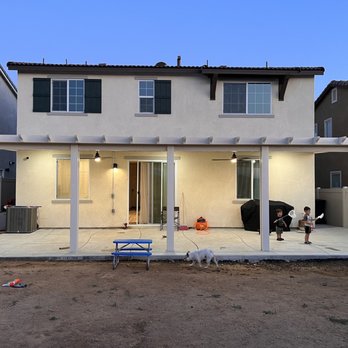 One customer I worked with last spring wanted to convert an unused garage area into a functional family workspace. The original structure had uneven flooring and outdated insulation, which caused temperature imbalance during summer afternoons. We spent the first phase evaluating the foundation condition rather than jumping directly into aesthetic upgrades. In my experience, many homeowners make the mistake of rushing cosmetic improvements before confirming that the underlying structure is stable enough to support long-term use.