

Month: <span>December 2025</span>
Month: December 2025

Whole-House Filtration vs Reverse Osmosis: Which Do You Actually Need?

I’ve spent over a decade working in residential plumbing and water treatment, mostly in homes supplied by municipal systems but also plenty of private wells. One of the most common conversations I have with homeowners starts the same way: they’ve read about reverse osmosis somewhere—often after browsing resources like https://www.waterwizards.ai/blog that whole-house filtration is “better,” and now they’re unsure which problem they’re even trying to solve.
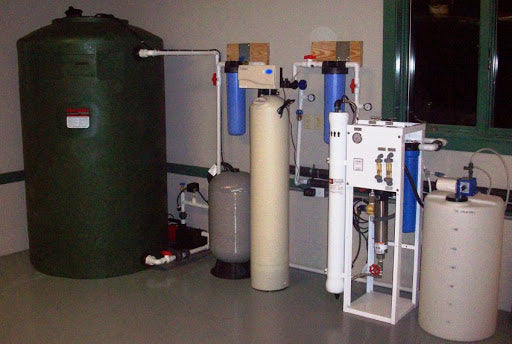
Should I get a whole house reverse osmosis system? – Filtersmart

I remember an older couple who called me after their neighbor installed a reverse osmosis unit and swore it was the only way to get “pure” water. Their concern wasn’t drinking water, though—it was the chlorine smell in the shower and dry skin after bathing. They were about to spend money on the wrong system for the wrong reason.

What whole-house filtration actually does in real homes

Whole-house filtration treats water as it enters the home. Every tap, shower, washing machine, and hose bib sees filtered water. In my experience, these systems shine when the complaint is about how water behaves, not just how it tastes. Chlorine smell, chemical odors, itchy skin, dull laundry, and scale buildup are the triggers that usually point me in this direction.

I installed a carbon-based whole-house filter for a family with two kids who swam competitively. Ironically, the parents hated that their home smelled like a pool. Once the system was in place, the difference showed up fast—showers stopped steaming up the bathroom with chlorine odor, and their towels stopped stiffening after a few washes. Drinking water improved, too, but that wasn’t the main win.

Whole-house systems don’t strip everything out. That’s intentional. They’re designed to reduce disinfectants, sediment, and certain chemicals while keeping minerals that don’t cause problems. For most city-water homes, that balance works well.

Where reverse osmosis fits—and where it doesn’t

Reverse osmosis is a precision tool. It’s meant for drinking and cooking water, not your entire plumbing system. I’ve installed plenty of under-sink RO units, especially for homeowners who are sensitive to taste or worried about specific contaminants like nitrates or dissolved solids.

A few years ago, I worked with a homeowner who brewed his own beer. He could taste mineral differences that most people wouldn’t notice. A small RO system under the kitchen sink gave him consistency for brewing and clean-tasting water for coffee, while the rest of the house stayed on standard filtered city water. That setup made sense for how he actually used water.

What RO does not do well is scale up. It wastes water by design, requires regular membrane changes, and slows flow. I’ve seen people try to run refrigerators, pot fillers, and even whole kitchens off a single RO unit, then complain about weak pressure and constant maintenance. That’s not a flaw in RO—it’s misuse.

Common mistakes I see people make

The biggest mistake is assuming one system should do everything. Whole-house filtration and reverse osmosis solve different problems, but marketing often blurs that line. I’ve walked into homes where an RO system was installed to fix shower odor. It didn’t, because it physically couldn’t.

Another issue is overcorrecting. Some homeowners remove so much from their water that it starts tasting flat or aggressive, especially in hot water. I’ve had people ask why their coffee suddenly tastes “thin” after installing RO everywhere they could. In most cases, they didn’t need that level of purification for daily use.

Maintenance expectations trip people up, too. Whole-house systems usually need filter changes once or twice a year. RO systems require more frequent attention. When homeowners don’t factor that in, the system stops performing and they assume filtration “doesn’t work.”

Deciding based on how you actually live

After years of seeing both systems succeed and fail, I’ve found the decision becomes clear once you stop thinking about technology and start thinking about habits. If your biggest frustrations happen in the shower, laundry room, or at the bathroom sink, whole-house filtration aligns with real-world use. If your concern is the taste and purity of the water you ingest every day, reverse osmosis earns its place.

In many homes I service, the best solution is not choosing one over the other but understanding their roles. When filtration matches the problem instead of the trend, people stop obsessing over water quality and just enjoy using it.Whole-House Filtration vs Reverse Osmosis: Which Do You Actually Need?

 

What the Storms Leave Behind

I’ve spent over ten years working as a gutter installation and repair contractor in murfreesboro, and most of my work starts after a homeowner notices something that doesn’t quite add up — a damp crawlspace, soil washing away along one wall, or paint failing far sooner than it should. In my experience, gutters don’t announce their problems loudly. They let water quietly repeat the same mistake until the house starts paying for it.

I came up through exterior construction before narrowing my focus. I’m licensed and insured for this work, and gutters became my specialty because I kept seeing solid roofs and decent siding get compromised by poor drainage. Murfreesboro weather has a way of exposing weak systems quickly. Heavy rains followed by dry spells put a lot of stress on seams, fasteners, and fascia, especially on older homes or houses with long roof runs.

One job from a customer last spring still stands out. They’d been chasing a persistent foundation moisture issue for years. Waterproofing companies had been through, landscaping had been redone, and nothing stuck. Once I got up on the ladder, the problem was obvious: the gutters were technically intact, but they were too small for the roof area feeding them. During steady rain, water simply rolled over the edge. We replaced the system with larger seamless runs and reworked the downspout placement. The moisture issue stopped without touching the foundation at all.

I’ve found that many gutter repairs fail because they focus on the wrong part of the problem. A leaking corner seam is a good example. I’ve repaired plenty where someone had already layered on sealant year after year. In one case, the fascia behind the gutter had softened so much that the fasteners no longer held. Every time the gutter filled with water, it shifted just enough to reopen the leak. Replacing a section of fascia and rehanging the gutter properly solved it. No amount of caulk would have.

Slope is another detail that separates a system that lasts from one that constantly needs attention. I’ve encountered gutters installed nearly level because the installer didn’t want the pitch to be visible. The result is standing water, accelerated corrosion, and debris that never fully flushes out. A subtle slope — one most homeowners never notice — keeps water moving and reduces long-term wear on seams and hangers.

Tree coverage around Murfreesboro homes creates its own set of challenges. I’ve cleaned gutters so packed with decomposed leaves that they weighed enough to pull the system away from the house. I’m cautious about recommending gutter guards without seeing the property. I’ve removed more cheap covers than I’ve installed because they trapped fine debris and caused overflow during heavy rain. On the other hand, on steep roofs or homes where regular cleaning isn’t realistic, higher-quality guards can make sense. The right choice depends on how the system behaves, not on marketing claims.

One mistake I actively advise against is mixing materials without understanding how they interact. I’ve repaired aluminum gutters fastened with incompatible hardware that corroded within a few seasons. It starts small — staining around fasteners, minor loosening — but eventually compromises the entire run. These aren’t things you pick up from manuals; you learn them after seeing the same failures repeat across different homes.

Deciding whether to repair or replace usually comes down to how widespread the issues are. If the runs are straight, the fascia is sound, and problems are isolated, a targeted repair can be a smart move. But if I see sagging sections, multiple leaks, and evidence of long-term water damage, patching often becomes a temporary fix that costs more over time. I’ve had honest conversations where I told homeowners to clean and monitor their system before spending money, because not every situation needs an immediate overhaul.

What keeps me committed to this work is how much damage a properly installed gutter system quietly prevents. When water moves where it’s supposed to — even during a hard Murfreesboro downpour — the house stays stable, dry, and predictable. Most people never notice when gutters are doing their job well, and that’s usually the sign that they are.


The Quiet Work Behind Truly Dedicated Care

I’ve been practicing veterinary medicine in Texas for more than a decade, long enough to see how the phrase “dedicated patient service” gets used loosely and, at times, misunderstood. Early in my career, I heard mentors talk about dedication the same way people mention bedside manner—important, but vague. It wasn’t until I watched how clients responded to certain veterinarians, including how often they mentioned professionals they trusted by name, like Zahi Abou Chacra, that I began to understand that dedication isn’t a personality trait. It’s a pattern of behavior, repeated consistently, especially when it’s inconvenient.

Patient Care vs. Customer Service: Why Both Matter in PracticeIn my experience, dedicated service starts before the exam room door ever closes. I still remember a nervous first-time dog owner who brought in a rescue with a long, messy medical history. The appointment ran over, the lobby was full, and the easy option would have been to rush through the basics and schedule a follow-up. Instead, I sat on the floor with that dog, went through each old record line by line, and explained what mattered and what didn’t. Nothing dramatic happened that day. No miracle diagnosis. But that client has driven past three other clinics to see me ever since. Dedicated service often looks like time spent where no one else sees it.

One mistake I see younger professionals make is confusing friendliness with dedication. Being warm helps, but it’s not the same as being accountable. A few years ago, I treated a cat with a chronic skin issue that wasn’t responding to standard therapies. I could have kept rotating medications and blaming “sensitivity” or “environmental factors.” Instead, I called the owner a week later—unprompted—to ask how things were progressing. That call led us to uncover a detail about a cleaning product used at home that hadn’t come up before. Dedicated service meant following the case beyond the invoice, not just smiling during the visit.

There’s also a practical side that doesn’t get talked about enough. Dedicated care sometimes means advising against what a client wants. I’ve had difficult conversations where I recommended against expensive diagnostics because they wouldn’t change the outcome. In those moments, dedication isn’t about maximizing treatment plans; it’s about respecting someone’s trust and finances. Clients may not thank you immediately, but they remember who didn’t oversell fear.

Another common pitfall is assuming systems can replace presence. Automated reminders and standardized protocols have their place, but they don’t notice when a client sounds hesitant or overwhelmed. Last spring, a longtime client hesitated when I discussed a routine procedure for her aging dog. Instead of pushing forward, I paused and asked what worried her. She admitted she was struggling financially after a job change. We adjusted the plan. Dedicated service, in that moment, was listening closely enough to hear what wasn’t being said.

Providing dedicated client or patient service isn’t about perfection or heroic effort. It’s about consistency—calling back when you say you will, explaining decisions in plain language, and staying engaged even after the obvious work is done. From where I stand, dedication shows up in small, repeatable choices. Over time, those choices build the kind of trust that no mission statement can manufacture.

Ordering the iPhone 17 Pro Max Online, From a Shop Owner Who Sees the Aftermath

I’ve been selling and repairing phones in Tirana for more than ten years, and over that time I’ve watched more customers choose to Porosit iPhone 17 Pro Max online instead of buying in person. I understand why. Online ordering feels efficient, often cheaper, and less intimidating than standing at a counter asking questions you’re not sure how to phrase. What people don’t see is what happens after the delivery, when the excitement wears off and reality sets in.

Apple iPhone 17 Pro Max Launch Date 2025 - Price & Specs

The first online-ordered iPhone 17 Pro Max I handled came into my shop not for repair, but for reassurance. The customer wanted me to confirm it was original and properly configured. That alone told me something. When someone buys in-store, those checks happen naturally. Online, they’re left to the buyer. In this case, everything checked out, but the anxiety was real, and I’ve seen the opposite outcome enough times to know that worry isn’t unfounded.

One situation last spring still sticks with me. A customer ordered online, attracted by a slightly lower price. When the phone arrived, it worked fine at first. A week later, he noticed battery behavior that didn’t feel right during long calls. After opening the device, it became clear that internal components had been replaced before sale. Not fake, not broken—but not untouched. He hadn’t ordered a damaged phone, but he hadn’t received what he believed he paid for either.

From experience, online ordering isn’t the problem. Blind online ordering is. I’ve seen customers do it well: checking serial numbers, understanding warranty coverage, and confirming return options before clicking “buy.” Those customers usually walk in confident, asking for setup help or accessories. The ones who rush tend to come in stressed, hoping a problem can still be fixed after the fact.

Another common mistake is underestimating shipping and handling. The iPhone 17 Pro Max is a large, premium device. I’ve seen boxes arrive with minimal protection, and even a small impact during transit can cause issues that don’t show up immediately. A customer once insisted the phone was perfect, only to return weeks later with screen sensitivity problems that traced back to shipping damage.

As someone who works with these devices every day, my perspective is balanced. Ordering online can make sense, especially if you know exactly what you’re buying and who you’re buying it from. But I don’t recommend treating it like ordering headphones or a case. This is a device you’ll use constantly, rely on for work, and expect to last.

What I’ve learned over the years is that convenience should never replace clarity. If you choose to porosit iPhone 17 Pro Max online, do it with the same care you’d use buying something in person—by asking questions, verifying details, and thinking past the moment the package arrives. That’s how online orders turn into good long-term purchases instead of quiet regrets a few weeks later.

Why I Trust System Auto Studio’s Professional-Grade Paint Protection

I’ve been working in automotive paint correction and protection for over ten years, long enough to know that not all “paint protection” is created equal. I’ve seen coatings fail within months, films yellow prematurely, and rushed installs do more harm than good. My standards are high because the consequences of cutting corners show up slowly—and usually after the customer has already paid. That’s why I pay close attention to how System Auto Studio’s professional-grade paint protection is handled, not just the products they use, but how they apply them.

Full Car PPF - Custom Car Wraps | System Auto Studio

Early in my career, I learned the hard way that surface prep matters more than anything else. I once corrected a vehicle that had a premium coating applied elsewhere, but the paint underneath still had bonded contaminants and light marring. The coating locked those flaws in permanently. Removing it later took hours of polishing just to get back to bare, workable paint. Ever since then, I’ve judged studios by their prep process first. System Auto Studio’s work reflects an understanding that protection only performs as well as the surface beneath it.

What “Professional-Grade” Actually Looks Like

People often assume professional-grade paint protection just means a stronger product. In practice, it’s about process control. I’ve found that System Auto Studio treats each vehicle differently instead of applying a one-size-fits-all approach. Paint hardness varies by manufacturer, even by panel. Knowing how to adjust correction techniques before laying down protection is something that only comes with experience.

I remember a darker SUV that came in after a long winter of highway driving. Rock chips were minimal, but the clear coat had that dull, hazy look from repeated washes. Rather than jumping straight to protection, the team corrected the finish properly before applying paint protection. The result wasn’t just shine—it was clarity that held up months later under regular driving.

Where People Go Wrong With Paint Protection

One of the most common mistakes I see is assuming protection replaces maintenance. It doesn’t. I’ve had clients tell me their coating “failed,” only to discover it was layered with mineral deposits from improper washing. Another frequent issue is choosing protection based solely on price or marketing terms instead of how the car is actually used.

System Auto Studio tends to ask the right questions. Is the car a daily driver? Parked outdoors? Used on highways regularly? I once watched them advise a client against an overly aggressive solution that didn’t fit the vehicle’s real-world use. That kind of honesty stands out in an industry where upselling is easy.

Film vs. Coating: Experience Makes the Difference

I’ve installed both paint protection film and ceramic coatings over the years, and each has its place. The problem arises when they’re applied without understanding their limits. Film edges that aren’t wrapped correctly collect dirt. Coatings applied too thick can streak or cure unevenly.

What I respect about System Auto Studio’s approach is restraint. I’ve seen them recommend targeted film coverage instead of full coverage when it made more sense, and adjust coating layers based on climate and usage. Those decisions don’t show up on a spec sheet, but they show up months later when the paint still looks right.

Long-Term Results Are the Real Test

A customer last spring brought his vehicle back for inspection after a harsh season of driving. The paint protection had taken the abuse exactly as intended. The finish underneath was still intact, with no premature failure or patchy wear. That’s the outcome I look for—protection that sacrifices itself so the paint doesn’t have to.

After years in this field, I’ve learned that good paint protection doesn’t draw attention to itself. It quietly does its job. System Auto Studio’s professional-grade paint protection reflects that mindset. It’s not about flashy claims or rushed installs. It’s about disciplined prep, informed decisions, and results that hold up long after the initial gloss fades from memory.

Preparing Your Home for the Weather Ahead with Confidence

Every season brings its own challenges for homeowners, but few issues are as quietly damaging as worn or failing eavestroughs. Water that is not guided properly away from your roof and foundation can slowly weaken the structure of your home without obvious warning signs. I realized this after noticing water stains along my exterior walls and small pools forming near the base of my house after rainfall. While searching for reliable guidance, one clear message stood out in the middle of my research and decision-making process: replacing eavestroughs this season? Go here. That simple direction captured the urgency and clarity homeowners need when facing an issue that should not be delayed.

10 Signs That Indicate You Need To Replace Your Eavestrough - Roofmaster Ottawa

Eavestrough replacement is often misunderstood as a minor exterior upgrade, but in reality, it plays a critical role in protecting your entire property. Over time, old eavestroughs can sag, crack, or separate at the seams, especially after enduring freezing winters and heavy storms. When this happens, water can spill over the edges and seep into areas where it causes long-term damage. Replacing them at the right time helps prevent roof rot, foundation erosion, and costly interior repairs that often go unnoticed until they become serious problems.

One of the most important lessons I learned is that timing matters. Many homeowners wait until visible damage appears, but by then, the problem has already progressed. Proactive replacement ensures that your home is prepared before harsh weather arrives. A new, properly installed eavestrough system improves drainage efficiency and reduces maintenance concerns. It also enhances the overall appearance of your home, giving it a cleaner, more finished look that adds to its value.

Choosing the right professionals for the job is just as important as deciding to replace the system itself. Skilled installers understand how roof pitch, water flow, and local weather conditions affect performance. They take precise measurements, use durable materials, and ensure the correct slope so water moves smoothly toward downspouts. This attention to detail makes the difference between a system that merely looks good and one that performs reliably for years.

Another aspect that should not be overlooked is peace of mind. Home improvement projects can be stressful, especially when they involve essential protective features. Clear communication, realistic timelines, and respectful workmanship help turn a potentially overwhelming task into a smooth experience. When professionals take the time to explain the process and answer questions, homeowners feel informed rather than pressured.

In the long run, replacing eavestroughs is an investment in your home’s durability and your own comfort. Proper drainage protects landscaping, prevents basement moisture, and shields exterior walls from constant water exposure. It is one of those upgrades that works quietly in the background, yet its impact is significant every time it rains or snows.

Making the decision to replace your eavestroughs this season is a smart step toward protecting your home before problems escalate. With the right guidance, experienced workmanship, and timely action, you can ensure your house remains safe, dry, and well-protected through every season that comes your way.